Children who begin life with a solid foundation in oral hygiene experience fewer dental issues throughout their lifetime. They are less likely to develop dental anxiety, allowing them to maintain a regular visit schedule into adulthood. They may also have lower lifetime dental costs.
For these reasons, taking care of your toddler or preschooler’s smile is key to their health and overall wellness. This blog shares 10 helpful tips for preventive care for toddlers and preschoolers 3 and under.
1. Early Dental Check-Ups
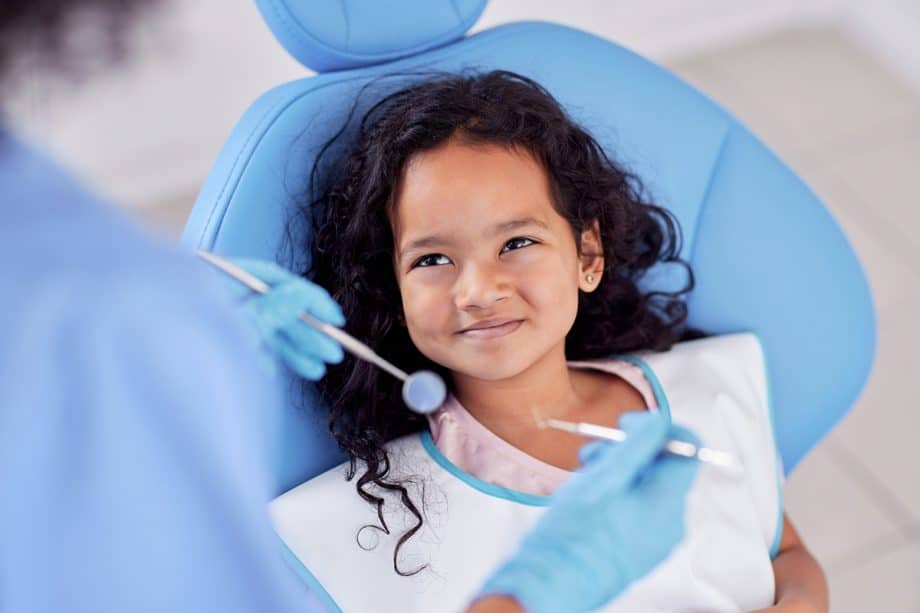
According to the American Academy of Pediatric Dentistry, young children should start seeing a dentist at about age 1, or six months after the first tooth erupts. Many parents are caught off guard by this recommendation. If you have not yet brought your child to the dentist by age 3, please make an appointment with us at your earliest convenience.
Early care helps your child become accustomed to the sights, sounds, and sensations of a dental visit from a young age. We can also monitor your child’s oral health and development, identify issues early, and help you plan appropriate treatment.
Most young children need to see us every 6 months, unless they are at higher risk of tooth decay. We may schedule more frequent appointments in this case.
2. Tooth Brushing
Brush your child’s teeth at least twice daily, using an age-appropriate fluoride toothpaste. Look for an extra-soft toothbrush with a small head so you can gently reach all of your child’s teeth. Brush for 2 minutes, dividing your child’s mouth into quarters and spending equal time in each.
Plan to assist your child with tooth brushing until they are 6 to 7 years old, and supervise until they are 9 years old to ensure they do a good job.
3. Flossing
If your child’s teeth have begun to touch, it is time to begin flossing. Most children reach this milestone at about age 4 to 5, but keeping an eye on your child’s dentition will let you know when it is time to floss.
4. Look for Signs of Decay and Infection
When you brush or floss your child’s teeth, examine them for signs of early tooth decay. Small white or brown spots on the teeth may be early signs of decay.
Fussiness, acting out, and unexplained crying could mean that your child is experiencing tooth discomfort. Avoid ignoring these signs.
In addition, a graying or darkening of a baby tooth may indicate an internal infection and prompt you to seek immediate attention at our office.
5. Prevent Cavities Caused by Bottles and Cups
Baby bottle tooth decay is a prevalent issue that many parents do not recognize until they bring their child to the dentist. Avoid leaving your child alone with a bottle or sippy cup containing anything other than water. Milk and juice can pool around the teeth, which can encourage plaque formation. Parents should wipe their breastfed infant’s gums at least twice a day with a cool, damp baby washcloth to help prevent decay.
6. Encourage a Healthy Diet
Diet plays a large role in your child’s oral health. Emphasize crunchy fruits and vegetables that naturally help keep teeth clean, along with plenty of calcium-rich foods. Sweet and salty treats are fine in moderation, but ensure your child develops a habit of rinsing their mouth or brushing after enjoying them.
7. Fluoride Use
Start using fluoride toothpaste when your baby’s first tooth erupts. If you use a tiny dab of children’s fluoride toothpaste the size of a grain of rice, fluoride is safe even for infants. Continue using fluoride products throughout childhood and into adulthood for maximum protection. Do not rinse the mouth for at least 30 minutes after fluoride use.
8. Monitor Your Community’s Water
Fluoride in drinking water greatly reduces the risk of cavities. If you do not have fluoride added to your home water supply, please let us know. We will keep a close watch on your child’s smile to detect any potential issues.
9. In-Office Fluoride Treatments
Starting as toddlers, children can receive fluoride varnish in the dentist’s office. Varnish hardens on contact with saliva and provides continuous protection until it wears away.
10. Presenting Dentistry in a Positive Light
One of the most important tips for parents is to help your child form positive associations with the dentist. If parents have dental fears, it is easy to transmit these to their children and create anxiety.
Maintain a calm, positive attitude about dental care and let your child see you perform your daily oral hygiene routines. Role-playing with dolls and stuffed animals, as well as educational videos and books, can help frame the dentist’s office as a fun and comfortable environment.
Frequently Asked Questions About Preventive Care for Children
Should my child get X-rays before age 3?
In general, pediatric dentists wait until age 5 or 6 before taking X-rays. However, we may need to take them if there is decay or a possible oral development issue.
How long can I keep bringing my child to the pediatric dentist?
We can see children through older teens, depending on their comfort level.
When do teeth start to fall out?
Teeth begin to shed at about age 5 on average, but it can happen earlier or later.
What should I do if my child loses a baby tooth prematurely?
Call our office as soon as possible. We will need to check for signs of injury or damage to hard and soft tissue. A lost primary tooth cannot be replanted because it would damage the underlying permanent teeth.
Why should I seek early dental care for my child if primary teeth fall out?
Delaying care can lead to worsened oral health outcomes throughout your child’s lifetime. Undiagnosed tooth decay can lead to needless discomfort and possible illness.
Our team at New Canaan Pediatric Dentistry is excited to welcome you and your family to our practice. Please get in touch with us today to schedule your child’s visit!