Quick Answer: Today, pediatric dentists and orthodontists concur that age 7 is the best time to evaluate all children for orthodontic issues. Interceptive orthodontics can provide early support for children with possible alignment or bite issues.
As parents, we feel proud to see each new tooth erupt. As our children reach elementary school, hints of their adult smile take shape. Permanent teeth begin to erupt while some primary teeth are still in place. This developmental stage typically happens around age 7, and it is vital to a child’s lifelong oral health.
You may have noticed some differences in your child’s smile. Perhaps your child has a gap between their front teeth, or perhaps you have noticed a significant overbite. You may believe that children should wait until their tween years before visiting an orthodontist. However, pediatric dentists and orthodontists agree that age 7 is the right time to evaluate a child’s smile and decide whether interceptive orthodontics is needed now or later.
Even if you haven’t noticed anything amiss with your child’s bite or tooth alignment, hidden issues may be waiting in the wings. An orthodontic evaluation and diagnostic X-rays can help identify these issues before they cause problems.
The Age 7 Orthodontic Evaluation
At New Canaan Pediatric Dentistry, we provide in-house interceptive orthodontic evaluations. You will not need to take your child elsewhere for this examination, which helps them feel comfortable and at ease.
Potential issues that we look for include:
- Bite problems such as overbite, underbite, crossbite, and open bite
- Jaw growth differences like a narrow upper jaw, size imbalance between the upper and lower jaw, and asymmetry
- Crowding or extra spacing
- Any impacted teeth that will not be able to erupt properly without intervention
- History of thumb sucking or tongue thrusting that can affect tooth position and jaw development.
- Mouth breathing, which could indicate airway problems and interfere with jaw and facial development, behavior, and sleep
Interceptive Orthodontics and Your Child
Most children we see for their age 7 evaluation need no immediate treatment, only monitoring, which takes place during their regular dental check-ups. If we determine that your child’s smile would benefit from early treatment, we will explain what we would like to accomplish and answer your questions.
Proactive techniques we may refer you to an orthodontist for include:
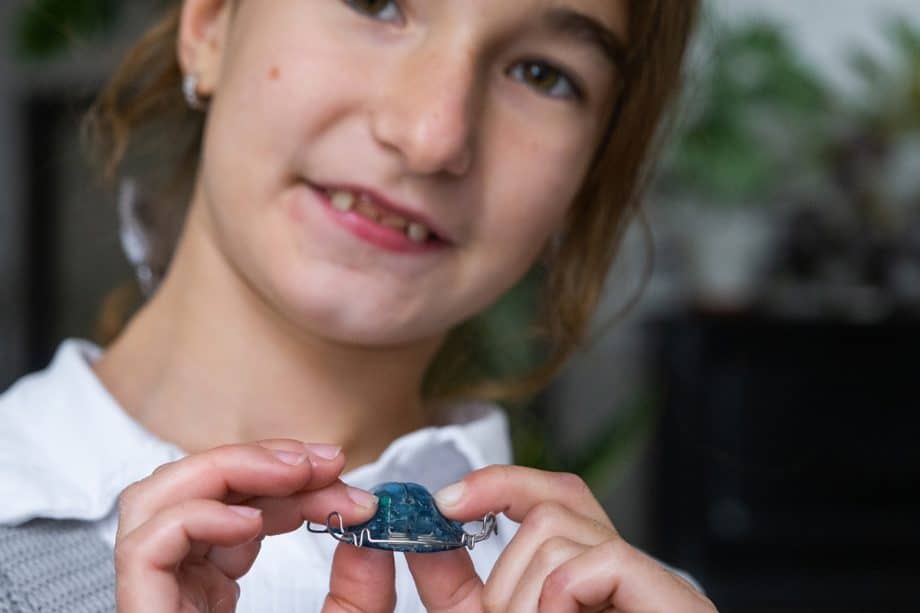
- Palatal expanders: These small devices fit the child’s upper palate and gently encourage the jaw to widen.
- Space maintainers: If a primary tooth sheds too soon, it could interfere with future tooth alignment and prevent permanent teeth from proper eruption. A space maintainer is a small metal or plastic device that sits in the gap and keeps the space open.
- Habit appliances: We can discourage tongue thrusting and finger sucking with an appliance that gently stops these habits.
What Research Says About Interceptive Orthodontics
Interceptive orthodontics, also known as Phase 1 orthodontic treatment, can improve the complexity of malocclusion issues by about 40 percent. It can improve success rates for overbite treatment by up to 20 percent compared with treatment at the standard age. In general, early treatment makes later treatment faster and less complicated.
Be Proactive for Your Child’s Lifetime Oral Health
Interceptive orthodontics can improve your child’s oral health by reducing excess tooth wear, improving dental bite, improving airway and breathing issues, and making later orthodontic treatment easier. While the process offers major oral health benefits, it also gives your child a better chance to develop a symmetrical, attractive smile that boosts confidence and makes them happy to share it with friends.
One brief appointment at age 7 can make an outsized difference for your child, and appropriate referrals can be made.
Frequently Asked Questions About Interceptive Orthodontics
Why are bite issues a problem for oral health?
Bite discrepancies can cause many oral health issues both for children and into adulthood. One of the most common side effects of a bite problem is uneven tooth wear. Severe overbites leave a child’s front teeth more vulnerable to dental trauma. Jaw pain and soreness may be connected to TMJ disorders later in adolescence.
How does a palatal expander work?
A palatal expander fits between the upper teeth, in the palate area. Over time, the orthodontist turns the screws inside the device to encourage the jaw to grow wider. While many parents worry these devices are uncomfortable, most children adapt quickly.
Can interceptive orthodontics prevent the need for later orthodontic work such as braces?
After interceptive orthodontic treatment, many children still need Phase 2 treatment as young adolescents (age 11 to 14). However, treatment is far less complicated and can often happen on a quicker timeline than it would without early intervention.
Why is interceptive orthodontics so effective?
Interceptive orthodontics works with a child’s natural jaw growth. Because the child’s jaw is still growing, we can shape its development more easily than we could with an adolescent. If children do not receive this treatment early on, Phase 2 treatments like braces or clear aligners take longer and have lower success rates.
What happens if a choice is made not to treat early orthodontic issues until adulthood?
Leaving these problems alone could lead to significant oral health issues for an adult. For example, to correct a jaw difference, complex orthognathic surgery may be needed. If you have a chance to address these issues in early childhood, it makes sense to take it.
Our team at New Canaan Pediatric Dentistry is proud to offer appropriate referrals to an orthodontist for interceptive orthodontic treatment to young patients and help their permanent smiles develop properly. Even if you have not noticed anything amiss with your child’s smile, please schedule an appointment for your 7-year-old as soon as possible. Contact us to book your appointment today!